An ostomy is a surgically created opening on the abdomen that allows waste—such as stool or urine—to exit the body. It is typically performed due to gastrointestinal conditions, cancer, or severe trauma, and may be either temporary or permanent.
While living with an ostomy may initially feel overwhelming or unfamiliar, with the right knowledge and thoughtful choices, it can become a manageable part of everyday life. This guide outlines essential tips for selecting the right ostomy bag, daily care practices, trusted brands, and product usage duration—helping patients and caregivers navigate this transition with greater ease and confidence.
🔍 Types of Ostomies and Their Prevalence
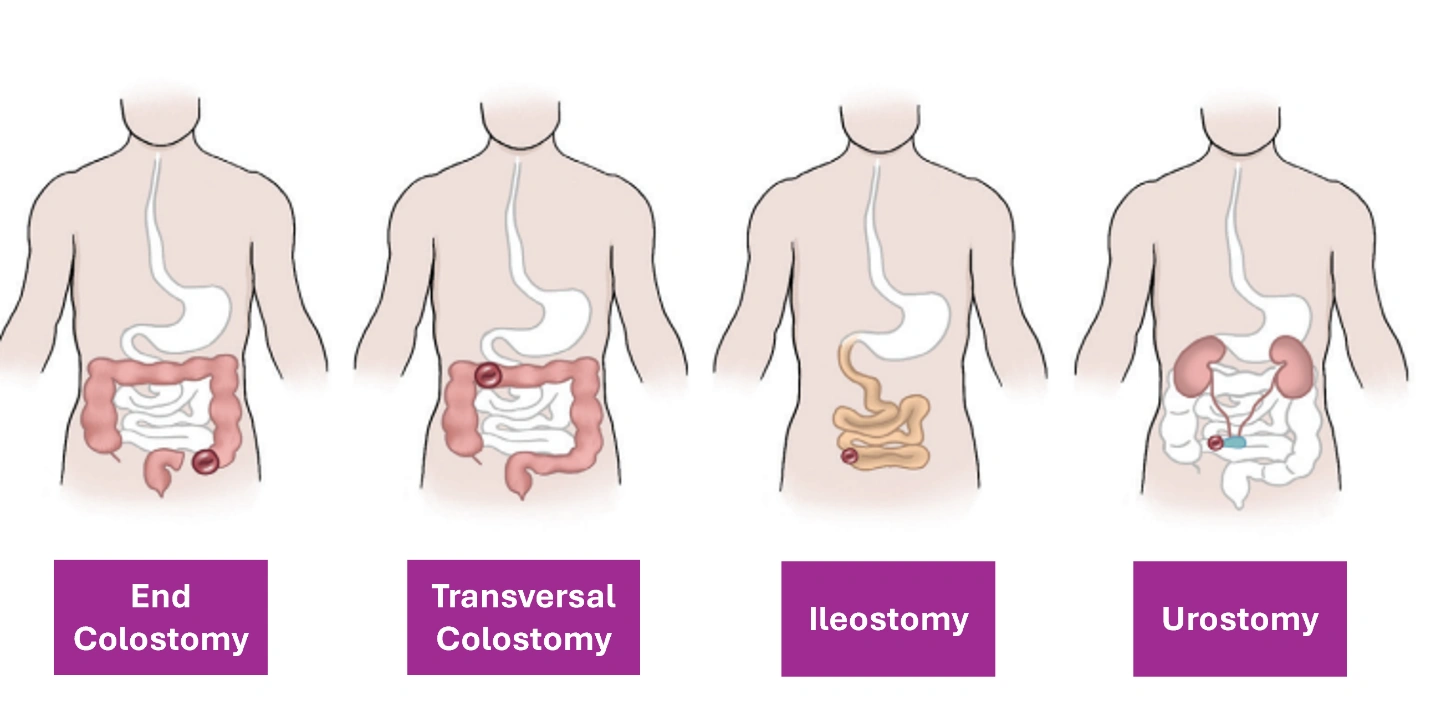
Ostomies are generally classified into three main types, each based on the surgical site and medical purpose:
Colostomy is the most common type, where a portion of the large intestine is brought to the abdominal surface. It’s typically located on the left side and produces formed stool.
Ileostomy involves bringing the end of the small intestine to the abdominal wall. The output is usually liquid or semi-solid, requiring more frequent care. It is less common than colostomy.
Urostomy is created to divert urine by connecting the urinary tract to the abdominal surface. It is the least common type and is often permanent, especially in cases of bladder cancer or severe urinary system damage.
Types of ostomy
✅ Choosing the Right Ostomy bag: What Matters Most
Selecting the appropriate ostomy bag has a direct impact on comfort, skin health, and overall quality of life. Here are the key factors to consider:
Type of ostomy determines the pouch’s design and drainage features. Colostomy, ileostomy, and urostomy each require specific pouch configurations.
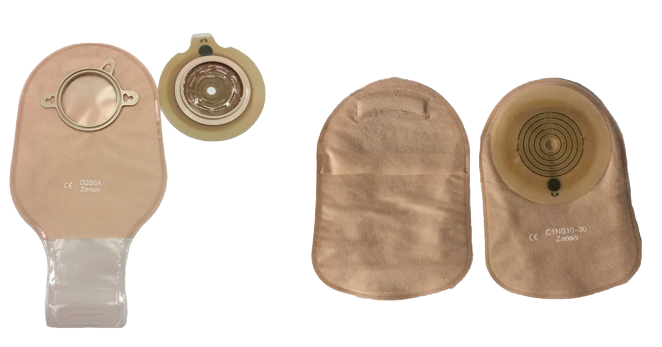
One-piece vs. two-piece systems should align with your lifestyle and skin sensitivity. One-piece systems are simpler and ideal for active individuals, while two-piece systems allow pouch changes without removing the adhesive base—making them gentler on sensitive skin.
Stoma opening size must match the stoma precisely to prevent leakage and skin irritation. Pre-cut or customizable openings are available depending on the stoma’s shape and size.
One-piece vs. two-piece systems
Customizable Stoma Openings
Adhesive type and skin compatibility are crucial, especially for those with sensitive or easily irritated skin. Hypoallergenic or hydrocolloid-based adhesives can help reduce inflammation and improve comfort.
Drainable vs. closed-end pouches should be selected based on the consistency of the output. Drainable pouches are better suited for liquid or semi-solid output (e.g., ileostomy), while closed-end pouches are appropriate for formed stool (e.g., colostomy).
Pouch color can influence emotional comfort. Transparent pouches are useful for monitoring the stoma, especially during the initial recovery phase, while opaque or skin-toned pouches offer greater privacy for daily use.
Lifestyle considerations such as physical activity, travel, and social engagement should guide pouch selection. Some models are designed to be slimmer, more discreet, or more durable for active use.
Brand and product quality do matter, but don’t overemphasize them. While well-known brands often meet clinical standards, many affordable options also perform reliably when used correctly.
Final Thoughts: Trust the Process
Choosing an ostomy bag doesn’t have to be stressful or complicated. Most products offer similar functionality, and differences are often minor. With a bit of experience and guidance, you’ll quickly discover which pouch best suits your body and lifestyle.
This journey is one you can learn and adapt to—and you’re not alone. Move forward with calm and confidence. Your body will show you what works best