

Introduction
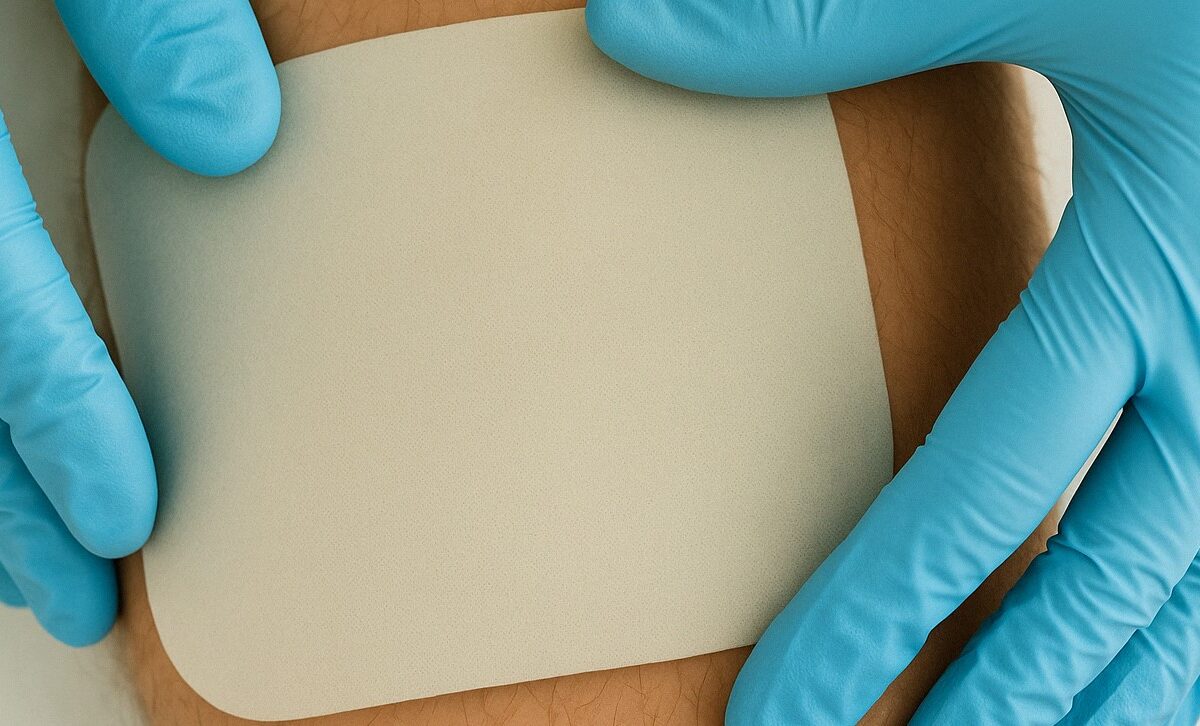
Hydrocolloid dressings are among the first modern wound dressings that introduced the concept of moist wound healing into clinical practice. When in contact with wound exudate, they transform into a soft gel, creating a moist and sealed environment. This not only protects the wound from contamination and friction but also provides favorable conditions for tissue repair.
Scientific Evidence Across Different Wound Types
1. Acute Wounds and Partial-Thickness Burns
In partial-thickness burns and donor sites, hydrocolloids have shown outcomes comparable to traditional dressings. Several studies highlight benefits such as reduced pain and greater patient satisfaction. The ability to remain in place for longer intervals (3–7 days) is another practical advantage in these cases.
2. Friction Blisters and Superficial Abrasions
For active individuals and athletes, hydrocolloids act as a “second skin.” Evidence suggests they can effectively reduce blister pain and remain in place during daily or even athletic activities.
3. Pressure Ulcers
Research indicates that hydrocolloids do not significantly accelerate complete healing compared to other modern dressings. However, their strong adhesion, reduced need for frequent changes, and ability to promote autolytic debridement (the body’s natural removal of necrotic tissue in a moist environment) make them a common choice for superficial pressure ulcers.
4. Venous Leg Ulcers
Compression therapy remains the cornerstone of venous ulcer management. The type of dressing used under compression, whether hydrocolloid or otherwise, usually has little impact on final healing outcomes. Nevertheless, hydrocolloids can help manage exudate and reduce the frequency of dressing changes.
5. Diabetic Foot Ulcers
Healing in diabetic patients depends on multiple factors, including blood supply and glycemic control. Evidence shows no clear superiority of hydrocolloids over other dressings in diabetic foot ulcers. Therefore, selection is typically guided by exudate level, cost, and patient comfort.
6. Closed Surgical Wounds
Current data do not demonstrate that hydrocolloids reduce infection rates or accelerate healing in closed surgical wounds compared with alternative dressings.

Summary of the Evidence
Hydrocolloid dressings offer several advantages, including:
- Reduced pain and improved patient comfort
- Longer wear time with fewer dressing changes
- Mechanical protection and waterproof properties
- Support for autolytic debridement
However, when it comes to strict clinical outcomes such as the speed of complete wound closure, studies do not show a clear advantage over other advanced dressings. Their main role lies in providing an optimal environment for the body’s natural healing process.
Conclusion
Based on current evidence, hydrocolloid dressings remain a widely used option across many wound types. Their benefits and limitations should be carefully weighed alongside clinical factors such as wound type, exudate level, cost, and patient comfort in order to make the most appropriate treatment decision.