

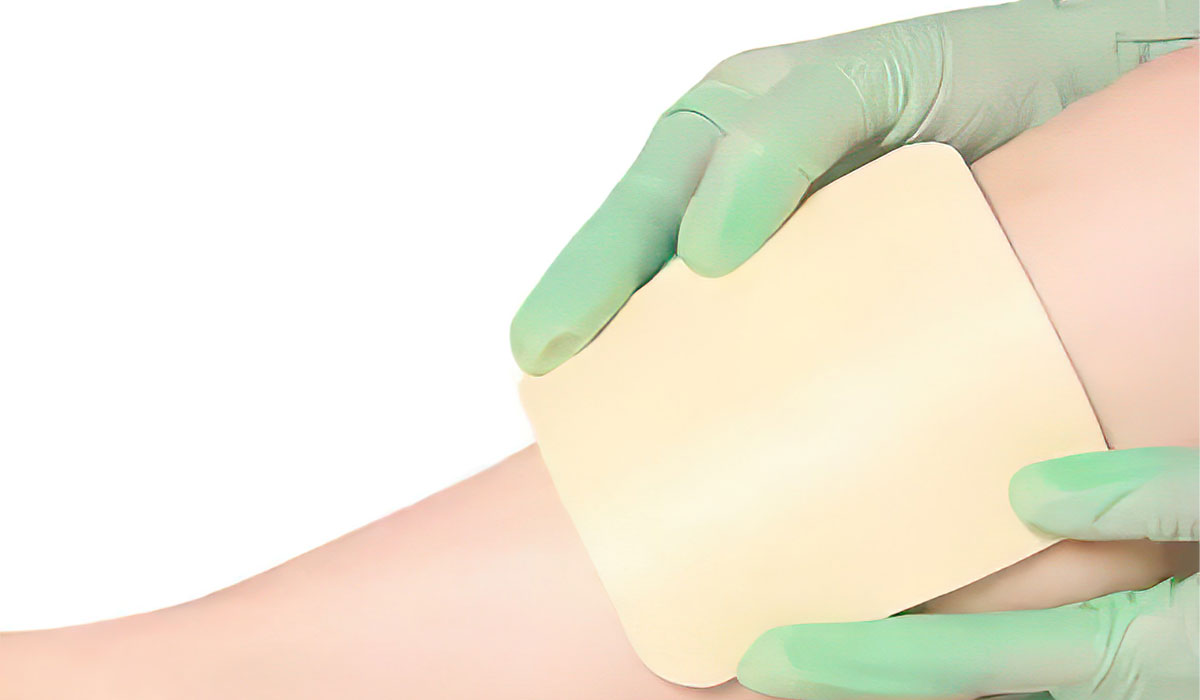
Advanced Wound Management
Structure and Function of the Skin The skin, the body’s largest organ, serves as the primary barrier against environmental threats. It is composed of three main layers:
- Epidermis: The outermost layer.
- Dermis: Contains an intricate capillary network as well as the origins of hair follicles, sebaceous glands, and sweat glands, which extend through the epidermis.
- Subcutaneous Layer (Hypodermis): A fat-rich layer providing insulation and shock absorption.
Skin thickness varies based on anatomical location—thinner in flexural areas such as elbows, and thicker in weight-bearing regions like the soles of the feet.
Definition and Classification of Wounds A wound is any disruption or discontinuity of tissue integrity caused by trauma or surgery. Wounds can be classified as:
- Based on type: Abrasions, contusions, incisions, lacerations, open wounds, penetrating injuries, punctures, and infected wounds.
- Based on depth:
- Superficial wounds: Limited to the epidermis.
- Partial-thickness wounds: Involving the epidermis and dermis.
- Full-thickness wounds: Extending through the epidermis, dermis, subcutaneous fat, and fascia, potentially exposing bone.
Mechanisms of Wound Healing Wounds heal through three main processes, dictated by tissue damage and wound characteristics:
- Primary Intention: Clean, incised wounds with minimal tissue loss heal by bringing the wound edges together. Healing initiates from inner layers outward.
- Secondary Intention: In cases of significant tissue loss, healing is achieved through granulation tissue formation in the wound bed and margins.
- Delayed Primary Intention: High-risk wounds, such as those prone to infection, remain open temporarily and are treated with antibiotics before closure (e.g., bite wounds).

Phases of Wound Healing Wound healing progresses through distinct overlapping phases:
- Hemostasis Phase: Begins immediately after injury with vasoconstriction and blood clot formation to arrest bleeding and create a protective barrier.
- Inflammatory Phase: Immune cells such as macrophages infiltrate the wound to clear necrotic debris and pathogens (phagocytosis). Angiogenesis initiates in this phase, which is characterized by warmth, redness, swelling, and pain.
- Proliferative/Granulation Phase: Fibroblasts proliferate and synthesize collagen and extracellular matrix. Angiogenesis continues, forming new capillaries within granulation tissue. This phase lays the foundation for epithelialization.
- Remodeling (Maturation) Phase: In this final phase, collagen is reorganized, and the epidermis and dermis regain tensile strength. Structural integrity and functional restoration of the skin are achieved.

Key Considerations in Wound Care Optimizing wound healing involves attention to the following factors:
- Physiological Factors:
- Immune system efficiency to combat infections.
- Blood glucose regulation, as hyperglycemia impairs white blood cell activity.
- Adequate nutrition, particularly albumin levels, to facilitate repair and maintain osmotic balance.
- Perfusion and Oxygenation:
- Sufficient oxygen delivery and blood flow are critical for wound metabolism and repair.
- Pain management reduces vasoconstriction, enhancing perfusion to the wound site.
- Wound Environment:
- Maintaining a moist wound environment containing natural exudates, such as growth factors and lysosomal enzymes, accelerates cellular activity and promotes faster healing while reducing infection risks.
Selection of Wound Dressings Wound dressings serve to support debridement, manage exudates, control bleeding, protect the wound, and optimize healing. Types of dressings include:
- Non-Adherent Dressings: Prevent adherence to wound surfaces.
- Transparent Films: Semi-permeable dressings made of adhesive-coated polyurethane. They are flexible and durable but do not absorb exudates.
- Hydrogels: High-water-content sheets or gels, ideal for shallow wounds with minimal exudates, facilitating hydration of necrotic tissue.
- Hydrocolloids: Composed of materials like pectin and gelatin, these dressings provide an optimal environment for autolytic debridement and angiogenesis while being waterproof.
- Foams: Highly absorbent, semi-permeable dressings with a non-adherent layer, available in adhesive and non-adhesive variants.
- Alginates: Derived from seaweed, these dressings form a gel upon contact with wound exudates and are effective for managing high-exudate wounds.

Principles of Wound Care: The DIMES Model
| Principle | Definition |
|---|---|
| Debridement | Removal of dead, damaged, or infected tissue to prepare the wound bed for optimal healing. |
| Infection Control | Reducing microbial load and managing infections effectively. |
| Moisture Management | Balancing wound moisture to promote cellular activity and prevent desiccation or maceration. |
| Edge Protection | Preventing deterioration of wound edges to support epithelialization and prevent wound expansion. |
| Supportive Care | Enhancing the wound care process through supplemental treatments and improving the patient’s quality of life. |